


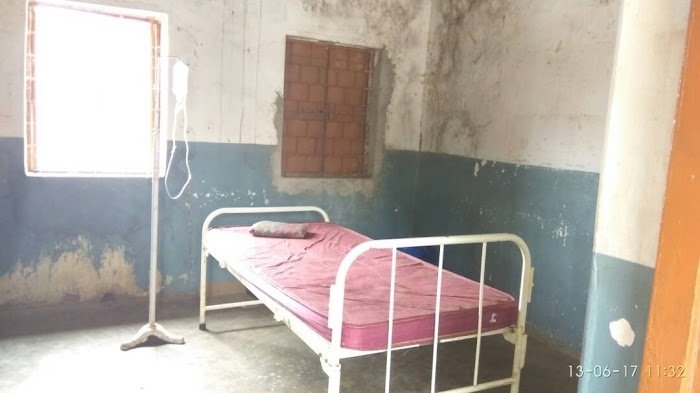
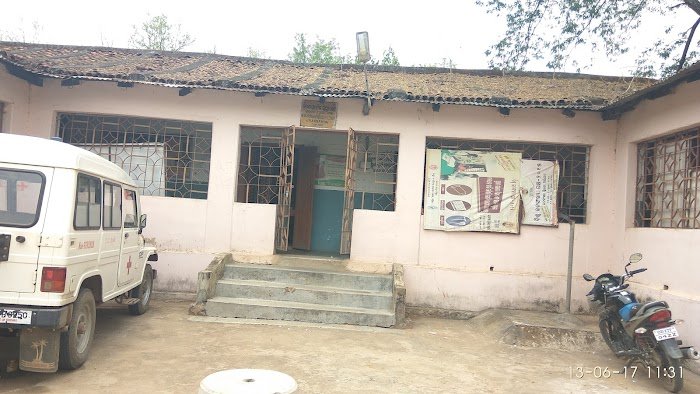




Primary Hospital
3Q7V+22F, Jharbandh, Krafadgang, Odisha 768042, India
Rating: 3.2
Rated count: 5
Check on Google Maps
Understanding Primary Hospitals: The Backbone of Community Healthcare
Primary hospitals play a crucial role in the healthcare system, serving as the first point of contact for individuals seeking medical care. They provide essential services that cater to the basic health needs of the community, ensuring accessible and quality care for all. This article delves into the definition, functions, challenges, and importance of primary hospitals in our societies.
What is a Primary Hospital?
A primary hospital, often referred to as a primary care facility, is typically a small to medium-sized healthcare institution. These facilities are designed to address common medical issues, promote preventive care, and manage chronic conditions. Primary hospitals usually feature a range of services, including outpatient care, emergency services, basic laboratory tests, and sometimes minor surgical procedures.
Functions of Primary Hospitals
Health Promotion and Prevention: Primary hospitals focus on preventive care through regular health screenings, vaccinations, and health education. This proactive approach helps reduce the spread of diseases and enhances the overall health of the community.
Comprehensive Care: They offer a wide array of services including maternal and child health, management of chronic diseases (like diabetes and hypertension), and urgent care for non-life-threatening conditions.
Referral Services: In cases where specialized care is needed, primary hospitals serve as a referral point to secondary or tertiary care facilities, ensuring that patients receive the comprehensive care that they require.
Community Engagement: Primary hospitals often engage with local communities through outreach programs and health fairs, fostering trust and encouraging individuals to seek care when needed.
Importance of Primary Hospitals
Accessibility: Primary hospitals are generally located within communities, making them more accessible than larger hospitals. This geographical advantage is vital for patients who may have mobility issues or lack transportation.
Affordability: Care provided at primary hospitals is usually more affordable compared to larger hospitals, reducing the financial burden on families and ensuring that healthcare is available to low-income populations.
Continuity of Care: Primary care providers often build long-term relationships with their patients. This continuity ensures that providers understand their patients’ health histories, which leads to better health outcomes.
Health Equity: By making healthcare accessible to underserved populations, primary hospitals play a significant role in reducing health disparities and promoting equity within communities.
Challenges Facing Primary Hospitals
Despite their importance, primary hospitals face numerous challenges:
Funding and Resources: Many primary hospitals operate on limited budgets, which can restrict their ability to provide comprehensive services or upgrade medical technology.
Staffing Issues: A shortage of healthcare professionals in primary care can lead to long wait times and reduced quality of care. Retaining skilled staff in rural areas can be particularly challenging.
Regulatory Burdens: Complying with varying healthcare regulations can be overwhelming for small facilities, often diverting resources away from patient care.
Integration with Larger Systems: Navigating the relationships and referral processes with larger hospitals can be complex, affecting patient care continuity and communication.
Conclusion
Primary hospitals are an integral part of the healthcare system, acting as the foundation for community health. Their focus on accessibility, affordability, and patient-centered care makes them indispensable, especially in underserved areas. As healthcare needs continue to evolve, investing in primary hospitals is crucial to ensuring that all individuals have access to the care they need, ultimately leading to healthier communities and better health outcomes. By addressing the challenges they face and reinforcing their structures, we can enhance the effectiveness and reach of primary hospitals, ensuring they continue to serve as a vital resource for all.


Anand Agrawal
April 30, 2026 at 12:11 pmGood at these level
Helpful ReviewRamesh Luhar
April 30, 2026 at 12:11 pmNice treatment.
Helpful Review