



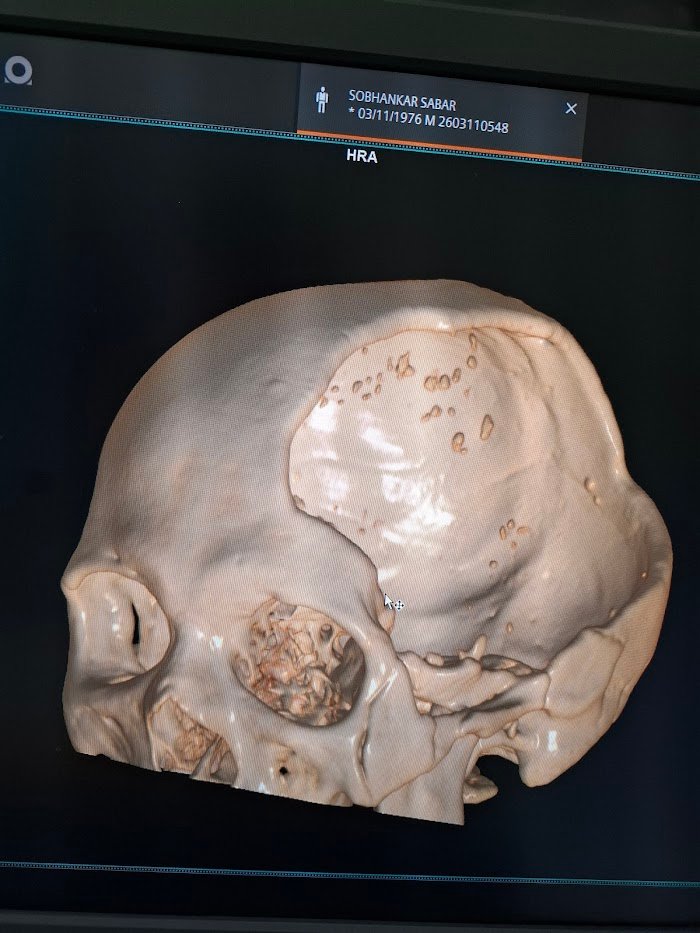
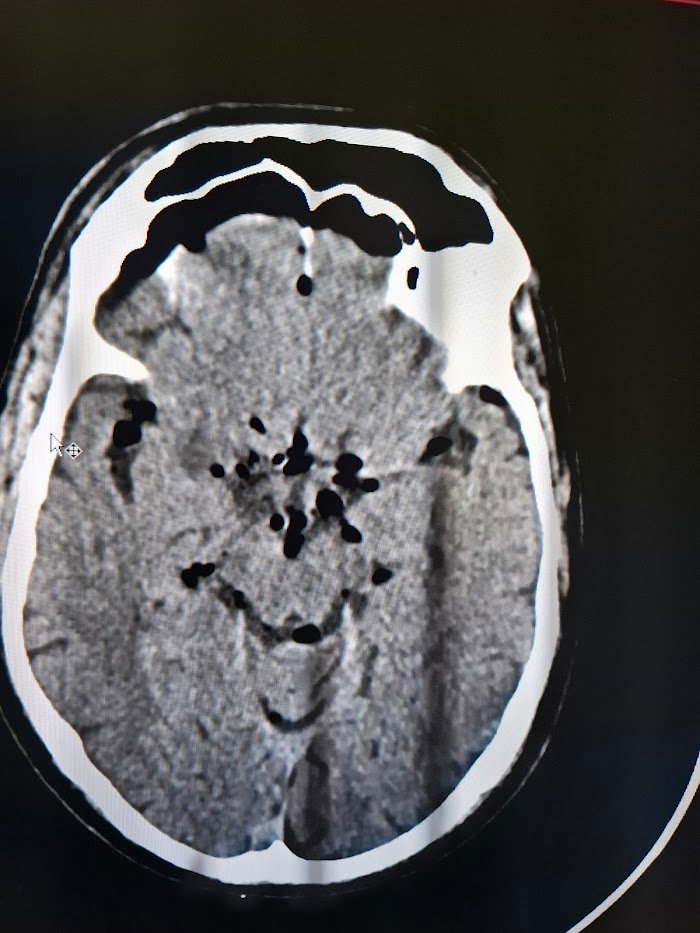
Ct scan
District Head Quarter Hospital, Nuapada, Maulibhata, Odisha 766105, India
Rating: 5
Rated count: 1
Check on Google Maps
Understanding CT Scans: A Comprehensive Overview
What is a CT Scan?
A Computed Tomography (CT) scan, also known as a CAT scan (Computed Axial Tomography), is a non-invasive imaging technique that combines X-ray technology with advanced computer processing to produce detailed cross-sectional images of the body. Unlike traditional X-rays, CT scans provide a more comprehensive view, revealing internal structures in high detail.
How Does a CT Scan Work?
Preparation: Before the scan, patients may need to change into a hospital gown and remove any metal objects such as jewelry, glasses, or dentures, as these can interfere with imaging.
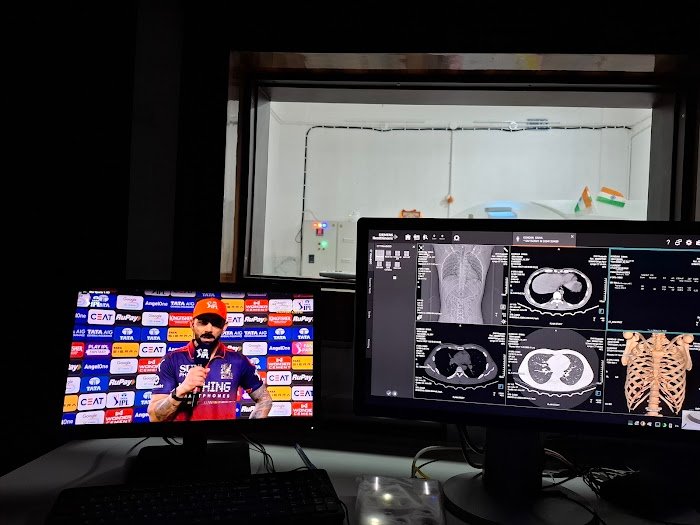
Procedure: The patient lies on a movable table that slides into a large, circular machine called a CT scanner. The machine rotates around the patient, emitting X-rays from various angles. These X-rays are detected and converted into digital images by a computer, which constructs cross-sectional images of the body.
Contrast Agents: In some cases, patients may be given a contrast agent (a special dye) either orally or through an intravenous (IV) line to enhance the visibility of certain tissues or blood vessels.
Duration: A typical CT scan can last from a few minutes to half an hour, depending on the area being examined and whether contrast is used.
Benefits of CT Scans
Detailed Imaging: CT scans provide detailed images of bones, organs, and soft tissues, making them an invaluable tool for diagnosing conditions such as tumors, infections, and internal injuries.
Speed: CT scans are relatively quick, allowing for rapid diagnosis, which can be crucial in emergency situations.
Versatile Applications: They can be used to assess a variety of conditions in different parts of the body, including the head, chest, abdomen, and pelvis.
Guided Procedures: CT imaging can also assist in guiding certain medical procedures, such as biopsies or drainage of abscesses.
Risks and Considerations
While CT scans are generally safe, there are some considerations to keep in mind:
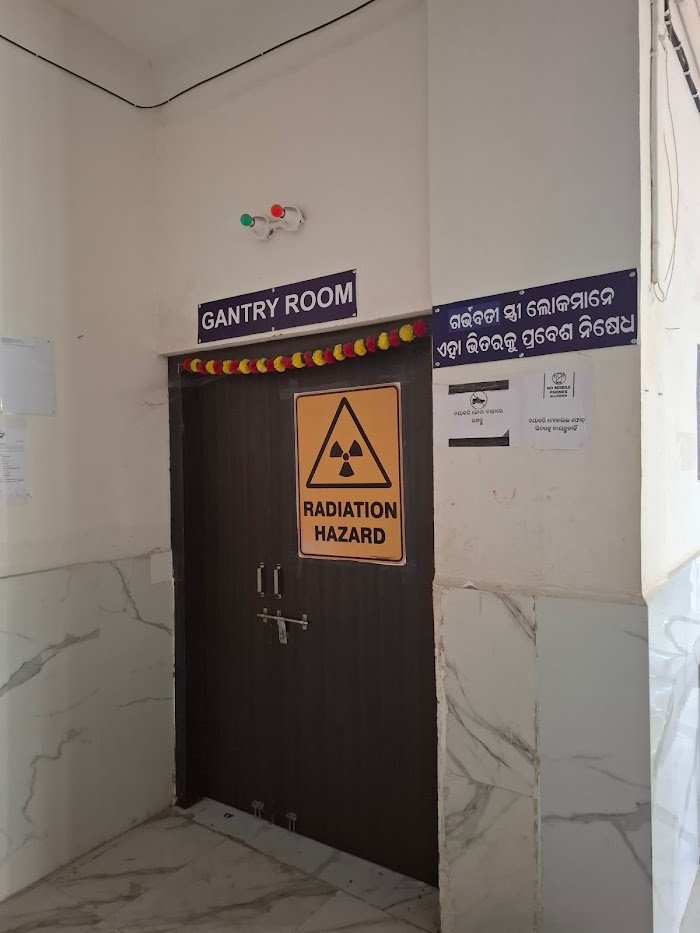
Radiation Exposure: CT scans expose patients to a higher level of ionizing radiation than standard X-rays, which may potentially increase the risk of cancer over time. However, the benefits of accurate diagnosis often outweigh the risks, especially when the scan leads to better patient care.
Allergic Reactions: Some patients may have allergic reactions to the contrast dye used in CT scans. It is essential to inform healthcare providers of any known allergies beforehand.
Kidney Function: The contrast agent can affect kidney function, particularly in individuals with pre-existing kidney conditions. Physicians typically assess kidney health before administering contrast.
Preparing for a CT Scan
Patients preparing for a CT scan should follow specific instructions provided by their healthcare provider, which may include:
- Fasting for a certain period before the scan.
- Avoiding certain medications, especially if undergoing a scan with contrast.
- Informing the medical team about any existing health conditions or allergies.
Conclusion
CT scans are a vital tool in modern medicine, providing critical insight for diagnosis and treatment planning. Understanding the procedure, benefits, and potential risks can help patients make informed decisions about their healthcare. Always consult with healthcare professionals for personalized advice and guidance regarding CT scans and any other medical imaging procedures.


Leave a Reply